GIVING
Beth Shalom is sustained through your generous gifts. No matter the size of donation, it is appreciated and used carefully to grow and nurture our “big tent” and all those who are part of our community.



OUR MISSION
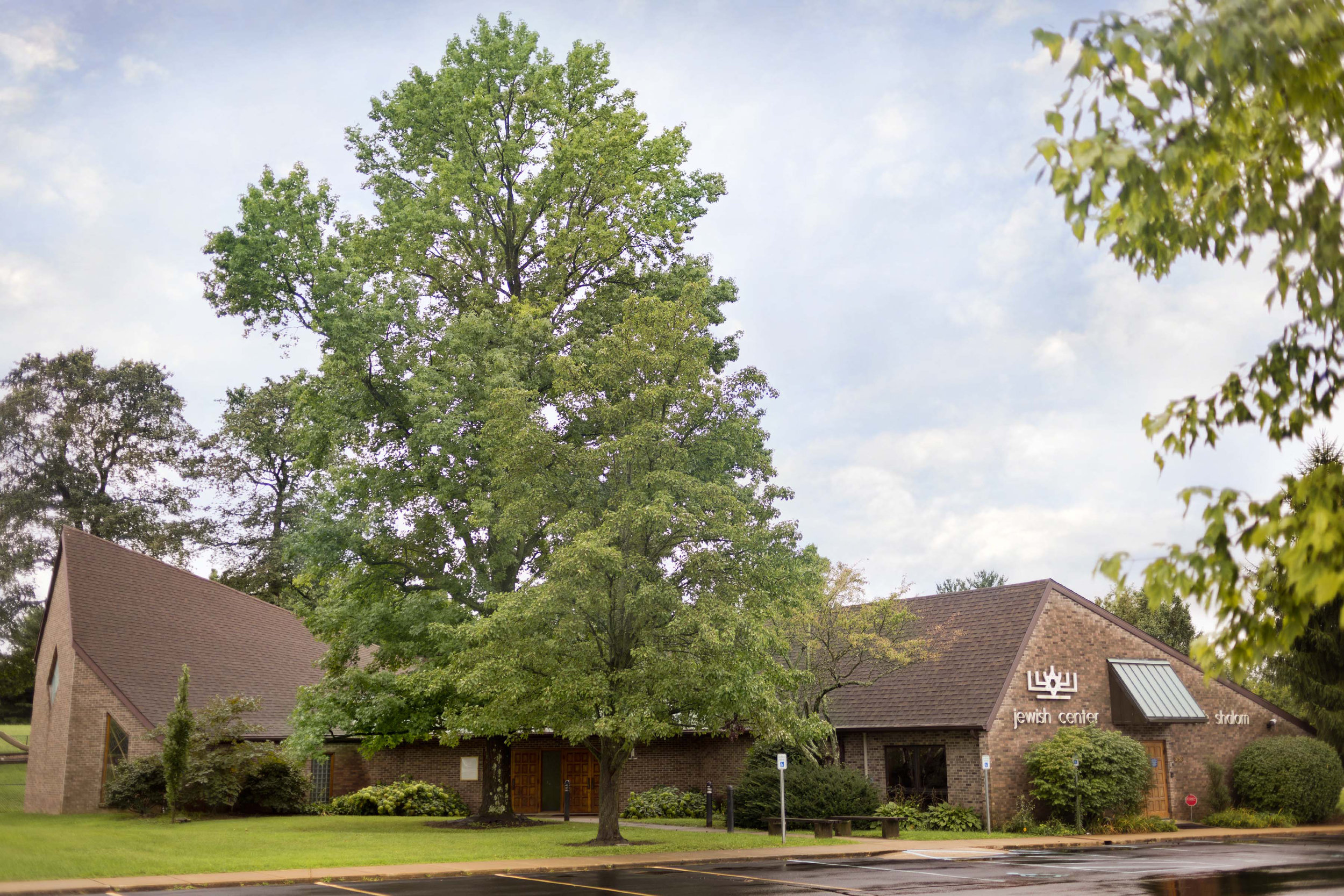
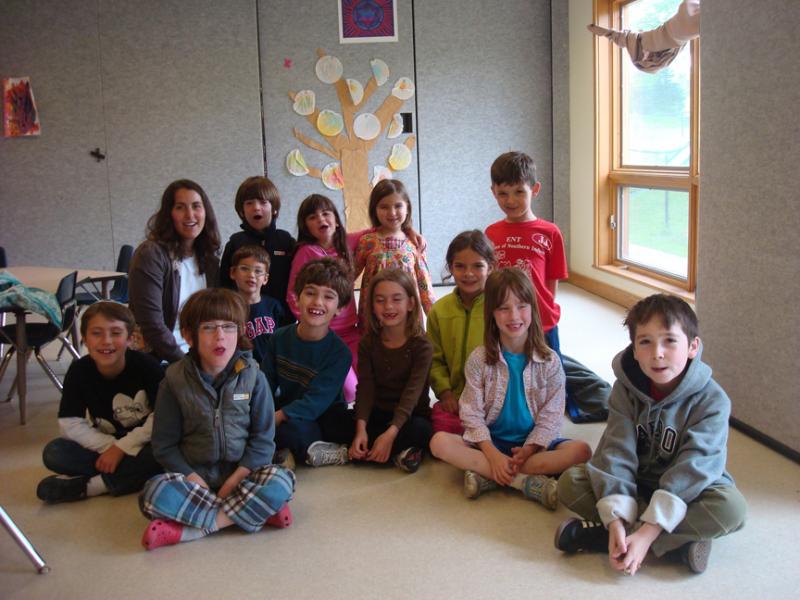
Congregation Beth Shalom (“House of Peace”) is a diverse and engaged community dedicated to learning, prayer, friendship, and Jewish living in south-central Indiana. We strive to be a “big-tent” Jewish home where everyone is welcome.
UPCOMING SERVICES
We welcome guests and visitors to our services. To protect your safety and security, we require all non-members to pre-register before attending any service. Services are also accessible on livestream. Please contact Sarah in the office.
Friday Evening Services
Every Friday at 7:30 pm
Traditional Shabbat Services
Every Saturday at 10:00 am
We also have once-monthly Mincha, Renewal, and Weekday services. Please check our calendar for those dates and times.
A new monthly Learners’ Minyan is starting on Sunday, May 19, at 10:30 am. At each meeting, we will daven (pray) the service and discuss a topic related to Jewish prayer, liturgy, or spiritual practice. All are welcome, regardless of your level of knowledge of Jewish prayer.
GAN SHALOM
PLANT FUNDRAISER
Ready to plant your summer flower or vegetable garden? Searching for a way to support Gan Shalom? Beth Shalom members Ellee and Bret Spier (GardenQ) have hundreds of organic/non-GMO/heirloom vegetable, fruit, flower, herb plants that are looking for garden homes. Purchase plants for yourself or for the Gan Shalom garden. GardenQ will donate 50% of proceeds to Gan Shalom!
Click here to see all the details and to place your order.
UPCOMING PROGRAMS
For more information, keep an eye on our calendar, or sign up for our weekly newsletter!
Tuesday, May 14, 5:30 pm
Yom HaAtzma’ut Dinner Program
Sunday, May 19, 5:00 pm
Didi’s Retirement Celebration
Thursday, May 23, 7:00 pm
Beth Shalom Annual Meeting
Sunday, May 26, 4:00 pm
Lag B’Omer Family Fun
Saturday, July 27, 12:00 pm
Street Party & BBQ with SBC
Sunday, July 28
Benefit Yard Sale